Mammography can save livesVienaMed
Mammography can save lives: why early detection of breast cancer is important
Breast cancer is the most common type of cancer diagnosed in women worldwide. According to World Health Organization data, in 2022 were estimated approximately 2.3 million new breast cancer cases and approximately 670,000 deaths caused by this disease.
The encouraging news is that when discovered at an early stage, breast cancer can be treated much more effectively. Therefore, regular controls and mammography play a key role in prevention and protection of long-term health.
What is mammography?
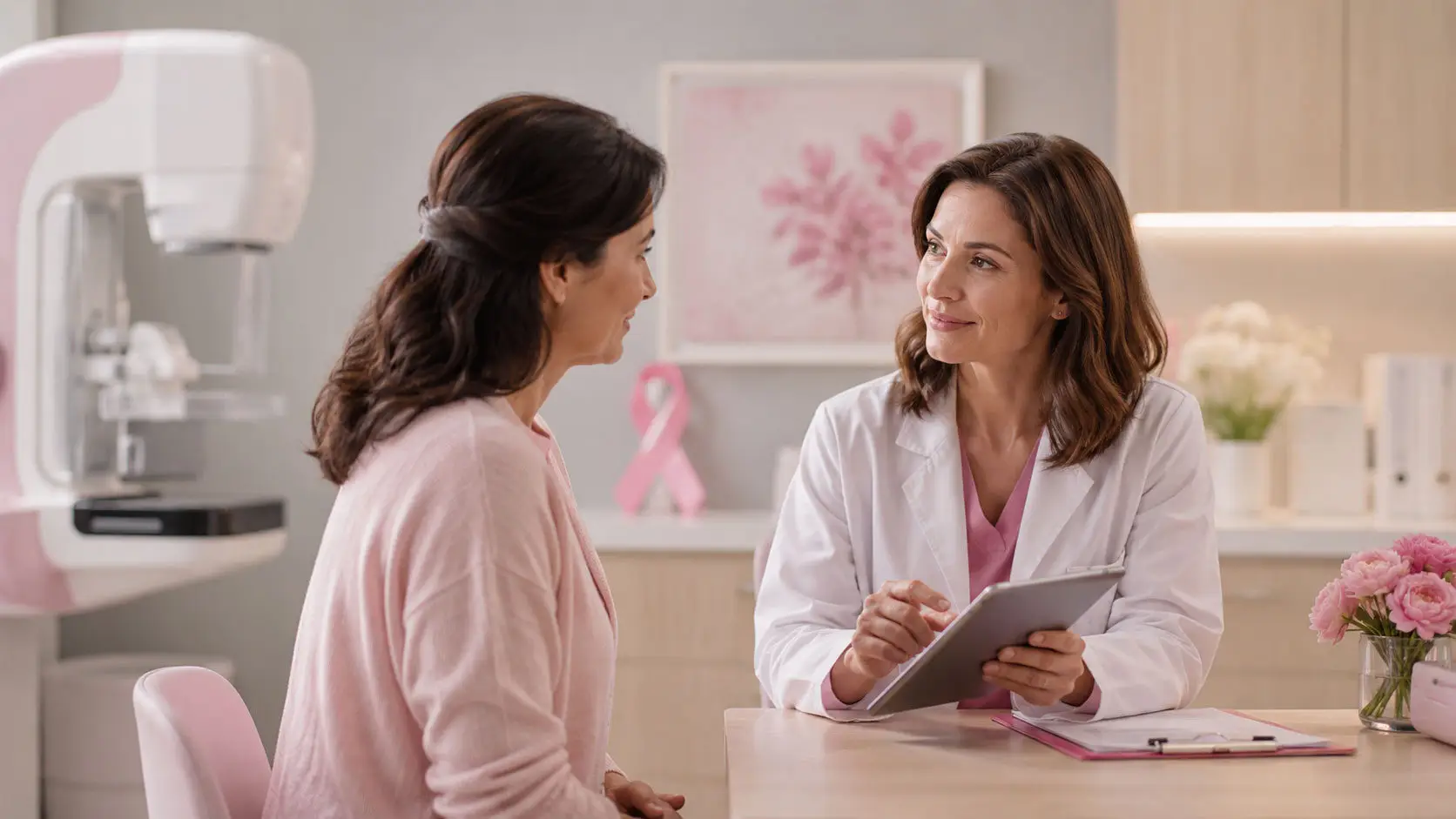
Mammography is a breast imaging investigation performed using low-dose X-rays. Its purpose is to identify changes in breast tissue that may occur before the patient notices obvious symptoms.
In other words, mammography can detect certain lesions or suspicious changes before they can be felt at palpation. This gives doctors the opportunity to recommend further investigations and, if necessary, treatment at an earlier stage.
Why is early detection important?
In breast cancer, time matters. The earlier the disease is discovered, the more likely the treatment will be more effective, better tolerated and less complex.
The World Health Organisation points out that breast cancer mortality can be reduced when the disease is detected and treated early. Mammography screening is used to identify lesions before symptoms occur, especially in age groups recommended by prevention medical programs.
Studies show that mammographic screening can help reduce breast cancer mortality, although the extent of the benefit may vary according to age, frequency of controls, individual risk and quality of screening program. The published analyses reported significant reductions in the risk of death in women who regularly participate in screening.
Mammography prevents breast cancer?
Mammography does not prevent breast cancer. Its role is to help early detection of suspicious changes.
Medical prevention means more than avoiding a disease. In the case of breast cancer, prevention includes:
- regular controls;
- individual risk assessment;
- doctor-recommended investigations;
- attention to changes in the breasts;
- Rapid diagnosis when signs of concern occur.
When should a mammogram be made?
The right time to perform a mammography should be determined with the doctor, depending on age, family history, medical history and possible symptoms.
In many screening programmes, mammography is particularly recommended for women between the ages of 50 and 69, but some patients may need early evaluation, especially if there are risk factors or cases of breast cancer in the family.
It is the doctor who can recommend the correct interval between investigations and the type of examination suitable for each patient.
Signs that must not be ignored
Even if screening is important, any changes in breasts should be discussed with a doctor. Signs that require evaluation may include:
- the emergence of a nodded or reinforced area;
- changes in the shape or size of the breast;
- nipple retraction;
- nipple secretions, especially if with blood;
- changes in the breast skin;
- redness, thickening or „orange peel ‘;
- persistent pain or unusual discomfort.
Most breast changes are not caused by cancer, but only a medical evaluation can determine the exact cause.
What is important to remember
Early breast cancer often has a better chance of treatment.
Mammography can identify changes before symptoms occur.
Regular screening helps diagnose the disease in earlier stages.
The medical consultation is essential for establishing the right investigations.
Breast health should be monitored constantly, not only when symptoms occur.
Book a consultation
If a mammogram has been recommended to you, if you have noticed changes in your breasts or if it has been a long time since your last check, it is the right time to talk to a doctor.
At VienaMed, we can guide you to the right investigations and specialists so that you can receive a proper medical evaluation and recommendations adapted to your situation.
Worry for your health today can make a major difference for tomorrow.
Schedule a consultation and take an important step for your health.
For information on VienaMed partners in breast surgery, see also Prof. Dr. Florian Fitzal’s profile.
Medical information and consultations
This article is intended for information purposes and does not replace the specialist medical consultation. For personalized recommendations on mammography, screening or breast investigations, we invite you to schedule a consultation at VienaMed. Our team can guide you to the right medical steps, depending on your age, your medical history and your individual needs.
Schedule to VienaMed and take an important step for your health.